How to Potty Train a Puppy in 7 Days (Complete Guide)


Training a new puppy can be both exciting and challenging.
One of the first things new pet owners often worry about is how to toilet train their furry friend.
With the right approach, patience, and consistency, you can teach your puppy good toilet habits in just seven days. Are you ready for the best puppy training tips? Here goes!
Consistency is Key
Puppies need consistency to understand what's expected of them. Establishing a routine helps your puppy know when and where they should go to the bathroom. Consistency in training also builds trust and strengthens your bond with your pet.
Consistency is the cornerstone of effective training. Stick to your schedule and use the same cues every time. This predictability helps your puppy learn faster. Consistent reinforcement helps your puppy understand what is expected and builds a strong foundation for future training.

What You Need Before You Start
Selecting a potty training method that suits both you and your puppy is key. Consider your living situation, your dog's breed and size, and your personal preferences when choosing a method.
Look for ethically produced training products like eco-friendly puppy pads or biodegradable waste bags. Not only are these better for the environment, but they also align with a commitment to ethical pet care.
Accidents are part of the learning process, but cleanliness is crucial. Use pet-safe cleaning products to eliminate odours and prevent repeat accidents in the same spot.
Choose the Right Spot
Designate a specific area in your yard or nearby outdoor space where you want your puppy to do their business. This spot should be easily accessible and free from distractions, making it easier for your puppy to focus on the task at hand.

Day-by-Day Schedule
Day 1: Introduction and Observation
The first day of training is all about getting to know your puppy's natural habits.
Set up a schedule. Puppies usually need to go out after eating, drinking, playing, or waking up. Start by taking your puppy out every hour to their designated spot. Start the day by taking your puppy outside as soon as they wake up. Use a specific command like 'Go potty' to create a verbal cue associated with the act. This helps your puppy understand what is expected of them and sets a positive tone for the day.
Look for signs that your puppy needs to go, such as sniffing around, circling, or whining. When you see these cues, take them outside immediately.
Choose a word or phrase like 'go potty' to use consistently whenever you take your puppy out. This helps them associate the action with the command.
Feed your puppy at the same time each day. Regular feeding schedules lead to regular potty times. This predictability aids in timing your trips outside and reduces the chances of accidents inside the house.
Don’t forget to celebrate successes with treats and praise. This positive reinforcement will encourage your puppy to repeat the behaviour. Make sure rewards are immediate and enthusiastic to make a strong impression on your puppy.
Days 2–3: Reinforce Positive Behaviour
Building on the routine from Day 1, focus on reinforcing positive behavior.
Continue to praise and reward good behaviours, pay close attention to signals, and don’t scold!
If an accident happens, don't scold. Clean it up thoroughly to remove the scent, and reinforce the desired behaviour by taking your puppy out. Scolding can create anxiety and confusion, so focus on teaching instead of punishing.
Days 4–5: Extend Time Between Breaks
As your puppy begins to understand the routine, gradually extend the time between bathroom breaks. Start by adding 15-minute increments to the time between breaks, observing your puppy's behaviour closely. Keep feeding and watering schedules consistent to help regulate your puppy's bathroom needs.
Day 6: Nighttime Routine
Nighttime can be challenging, but with patience, you can establish a good routine.
Reduce water intake an hour before bedtime to minimize nighttime accidents. Take your puppy out once or twice during the night, especially if they're very young. As they grow, they'll be able to hold it longer.
Day 7: Review and Adjust
By the seventh day, your puppy should have a good understanding of their toilet routine.
Evaluate how well your puppy is doing and adjust the schedule if necessary. Some puppies may need a little more time, and that's okay! Celebrate your progress with lots of praise and affection. Remember, every puppy is different, and patience is key.
Your puppy will thrive on this positive feedback. Reinforcing good behaviour consistently will help solidify these habits for the long term.
Common Challenges and Solutions
Even with the best intentions, challenges can arise during toilet training. Here are some common issues and how to address them:
Regression in Training
It's normal for puppies to have setbacks. If this happens, revisit previous steps, reinforce the routine, and maintain consistency.
Training a Stubborn Puppy
For stubborn puppies, increase the frequency of bathroom breaks and ensure you’re using high-value treats as rewards.
Dealing with Accidents Indoors
If accidents continue indoors, evaluate the situation. Are you taking your puppy out frequently enough? Are there distractions in their designated area? Adjust as needed.
Innovative Products to Aid Training
In addition to your training efforts, there are innovative products that can help make toilet training easier:
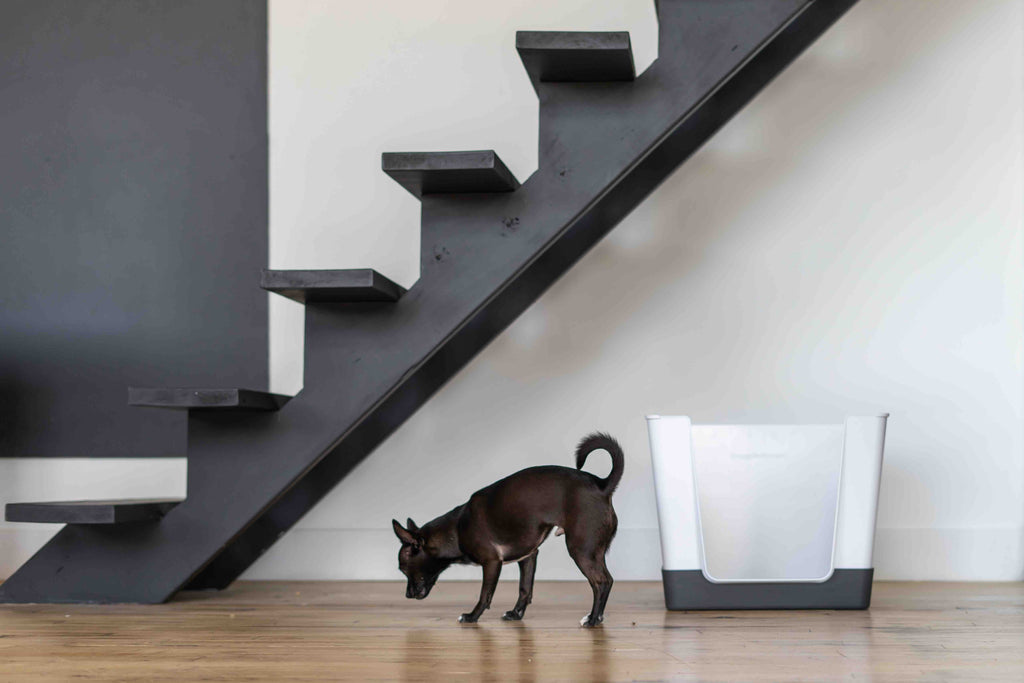
Dog Litter Box
A dog litter box, or "doggy bathroom," offers a convenient indoor bathroom solution for pet owners, particularly those in apartments or with limited outdoor access. It provides a designated area for dogs to relieve themselves, keeping homes clean and serving as a useful training tool for puppies or unhouse-trained dogs. With absorbent materials and easy-to-clean surfaces, the dog litter box helps contain odours and simplifies cleanup. It also reduces stress during bad weather, ensuring dogs can do their business without the hassle of going outside in rain or snow.
Additionally, it allows pet owners to monitor their dog’s health by tracking bathroom habits, helping detect potential health issues early. Overall, a dog litter box is a practical, efficient solution that maintains cleanliness, supports training, and simplifies routines for both dogs and owners.Puppy Training Pads: Useful for apartment dwellers or during harsh weather, these pads provide a backup solution for indoor accidents.
Enzyme Cleaners: These remove odors and stains from accidents, preventing your puppy from returning to the same spot.
Interactive Toys: Keeping your puppy mentally stimulated can reduce anxiety and improve focus during training.

Final Thought (bark)
Puppy toilet training requires patience, consistency, and a little creativity. By following this step-by-step guide, you can establish a solid routine that helps your puppy learn quickly and effectively.
Remember to celebrate small victories along the way, and don’t hesitate to seek help if challenges arise. With love and dedication, you and your puppy will enjoy a clean and happy home together. Happy training!