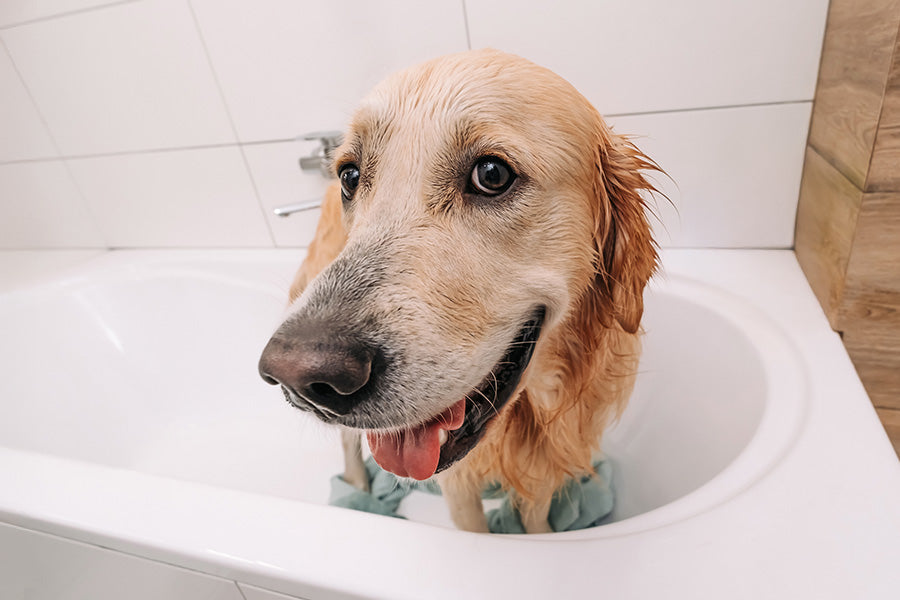
Indoor Dog Potty Solutions for Apartments & Condos


Written by Alain Courchesne, founder of Doggy Bathroom — designer of the original indoor potty system for small dogs.
Quick Summary
Living in an apartment or condo with an indoor dog requires a reliable routine. An indoor dog potty or dog litter box creates a clean, structured solution that supports consistent potty habits. Works best when limited outdoor access may occur.
Top 3 Takeaways
1. Structure solves most problems: A defined indoor dog potty system reduces accidents and confusion.
2. Not all potty solutions work indoors: Grass patches and loose pee pads often fail in small spaces.
3. Consistency builds habits fast: A fixed dog potty station and routine make training predictable.
Indoor Dog Potty for Apartments & Condos (Canadian Guide)
Why Apartment & Condo Living Changes Everything
Living with an indoor dog in an apartment or condo limits your ability to rely on outdoor potty breaks. Weather, elevators, work schedules, and building access all make timing inconsistent.
An indoor dog potty solution gives your dog a reliable option at all times. Instead of rushing outside, you create a controlled dog potty station that supports consistent routines and cleaner living.
For small dogs especially, this shift is critical. They need more frequent potty breaks and benefit from a predictable setup.
The Doggy Bathroom indoor dog potty system is designed for small dogs living in apartments and condos.

What Is an Indoor Dog Potty or Dog Litter Box?
An indoor dog potty or dog litter box creates a clear potty area inside your home and helps guide your dog’s routine.
A proper indoor dog potty system includes:
-
A fixed potty location
-
A contained base or tray
-
A secure pee pad holder
-
A setup that stays clean and easy to maintain
This structure turns random accidents into consistent potty habits.
Types of Indoor Dog Potty Solutions (What Works in Apartments)
There are several indoor dog potty solutions available, but not all are suited for small dogs in Canada or apartment living. Choosing the best indoor dog potty depends on structure, cleanliness, and how well it supports consistent potty habits.
Many pet parents start with pee pads for dogs, but without structure, they often lead to inconsistent potty habits.
1. Pee Pads Alone
Loose pee pads for dogs are often the starting point.
Common issues:
-
Pads move and shift
-
Dogs miss the target area
-
No structure for training
-
Hard to maintain consistent potty habits
They can help early on, but they are not a complete indoor potty solution.
2. Grass Patches (Artificial or Real)
Grass patches try to replicate outdoor conditions.
Challenges:
-
Strong odour buildup indoors
-
Difficult and messy to clean
-
Not ideal for small enclosed spaces
-
Better suited for balconies than interiors
In apartments, they often create more maintenance than convenience.
3. DIY Setups (Plastic Trays, Bins, etc.)
Some dog owners create their own indoor potty setups.
Limitations:
-
No real containment
-
Pads don’t stay in place
-
Mess spreads over time
-
Not designed for long-term use
These setups usually lead to inconsistency and cleanup issues.
4. Structured Indoor Dog Potty Systems
This is where things start working properly.
A structured indoor dog potty for small dogs creates a clear and contained dog potty station.
Key advantages:
-
Pads stay in place
-
Defined potty area
-
Helps prevent leaks and mess
-
Supports natural behaviour
-
Easy to clean and maintain
This is what turns a setup into a reliable indoor potty solution.

Why Most Apartment Setups Fail
Most indoor dog toilet issues are not about the dog—they are about the setup.
Common problems:
-
No fixed potty location
-
Inconsistent routines
-
Poor containment
-
No structure for learning
Dogs need clarity. Without it, accidents continue.
A structured indoor dog potty system removes that confusion.
What Actually Works in Small Spaces
For apartments and condos, simple setups perform best. Using a dog potty station like the Doggy Bathroom Tray helps keep pads in place and creates a clear potty area.
What works:
-
One consistent dog potty station
-
A structured indoor dog potty system
-
Easy-to-clean surfaces
-
A setup that stays in place
Small dogs respond quickly when the environment is clear and predictable.
Indoor Potty Training in Apartments
Indoor potty training for dogs becomes much easier when the setup supports the behaviour.
Focus on:
-
Taking your dog to the same spot
-
Keeping a consistent schedule
-
Using positive reinforcement immediately
-
Maintaining the same routine daily
For puppies, an indoor puppy potty setup reduces accidents and speeds up learning.
For adult dogs, it helps reset habits in a controlled environment.
Consistency builds reliable potty habits.

Training Male Dogs (Leg Lifters)
Male dogs that lift their leg require additional structure.
Without support:
-
Mess spreads outside the target area
-
Walls and floors get dirty
A structured indoor dog potty system:
-
Supports natural positioning
-
Improves accuracy
-
Keeps the area contained
This is especially important in small living spaces.
Choosing the Right Indoor Dog Potty for Your Apartment
The best indoor dog potty depends on your space and your dog.
Consider:
Space
-
Apartments → compact, contained systems
-
Condos → same need for structure
Dog behaviour
-
Small dogs → need frequent access
-
Male dogs → need vertical support
Maintenance
-
Must be easy to clean
-
Must stay in place
The best system is the one you can use consistently.
Why the Doggy Bathroom Works for Apartments
The Doggy Bathroom is designed specifically for small dogs and indoor living.
It creates a structured indoor dog potty system that:
-
Holds pee pads securely in place
-
Supports male dogs that lift their leg
-
Contains mess at the source
-
Fits cleanly into apartment spaces
-
Stays easy to clean
It turns a basic setup into a true indoor potty solution.

Keeping Your Apartment Clean and Consistent
A clean setup is what keeps everything working.
Maintain your system by:
-
Keeping the same potty location
-
Replacing pads regularly
-
Cleaning the base as needed
-
Following a consistent schedule
This keeps your home clean and your dog confident.
Indoor Potty Training for Small Dogs | Final Thoughts
Living with an indoor potty for dogs in an apartment or condo requires structure. Pet parents and pet owners need to house train their furry friend using puppy pads, or other puppy potty training tools like artificial grass. This is most helpful to establish a potty spot for toy breeds including male and female dogs.
What works is simple:
-
A defined indoor dog potty
-
A consistent dog potty station
-
A reliable routine
With the right setup, you reduce accidents, simplify daily life, and create a cleaner home for both you and your dog.
For a full breakdown, see our guide on best indoor dog potty solutions for small dogs in Canada.
Recommended Reading
-
Pee Pads for Dogs: What Works and What Doesn’t
About the Author
Alain Courchesne is the founder of Doggy Bathroom. As a designer and pet parent, he created the original indoor potty system for small dogs, trusted by thousands of owners across North America. His mission is to make pet ownership easier and more hygienic, with thoughtful solutions that adapt to modern living.